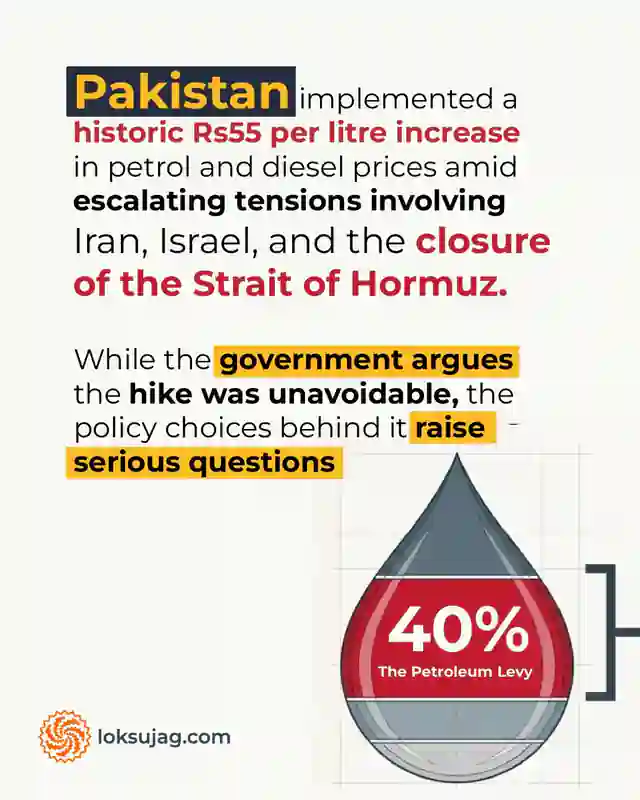
Pakistan witnessed a historic surge in petrol and diesel prices, with an increase of Rs55 per litre, the largest single jump in recent years.
Fuel currently sold at pumps was imported weeks ago at lower rates, yet consumers are paying the full impact immediately. Pakistan holds 1.5 billion litres in reserves that could have cushioned the shock, but instead, the overnight hike generated an estimated Rs82 billion gain for the supply chain.
Instead of raising the levy, targeted relief for motorbike riders, rickshaw drivers, and transport workers could have stabilised prices without broad subsidies.
Pakistan’s reliance on imported oil leaves it highly vulnerable to global conflicts. Expanding renewable energy, improving public transport, electrifying mobility, and developing strategic reserves are key to reducing future fuel shocks.
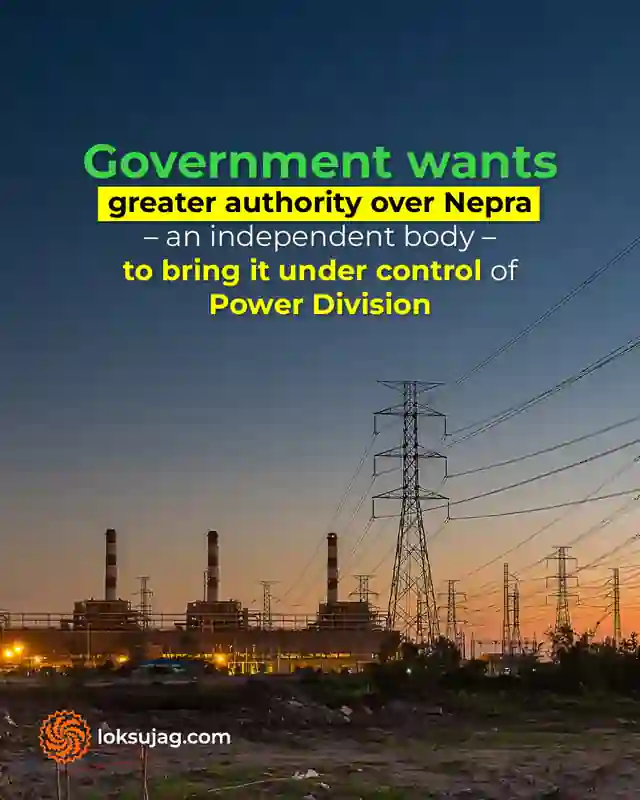
The government plans to amend key power laws to bring Nepra under the Power Division. It wants greater control over the authority's decisions. This shift may reshape how tariffs are set and who really makes such decisions.
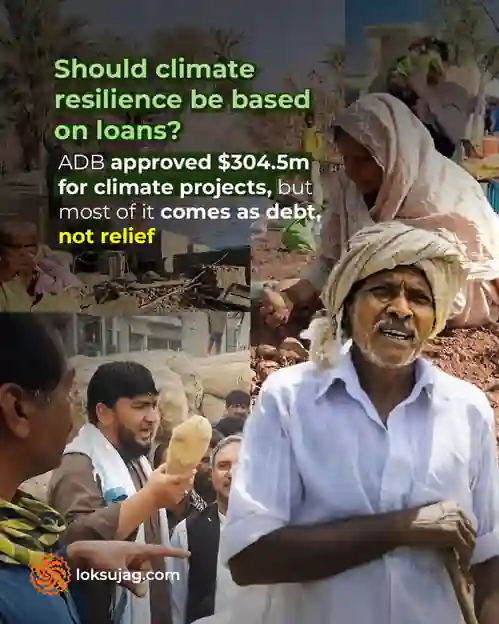
Pakistan is taking over $300m, most of it is loan from the Asian Development Bank (ADB), for climate resilience projects in Sindh and Punjab. These projects are meant to protect coastlines, farms, and communities from floods, sea intrusion and climate stress. The problem is not the projects, but how they are being financed.
Climate adaptation does not make money. It prevents future damage. That is why countries like Pakistan are supposed to receive grants, not loans. When climate protection is funded through debt, the cost shifts to common citizens in the form of taxes and budget cuts, even though Pakistan did not cause the climate crisis.
Instead of compensation for climate damage, Pakistan is being pushed to borrow to survive it. This turns climate injustice into a financial burden and makes resilience something the public pays for.
What do you think, should we take loans to carry out climate resilience projects?
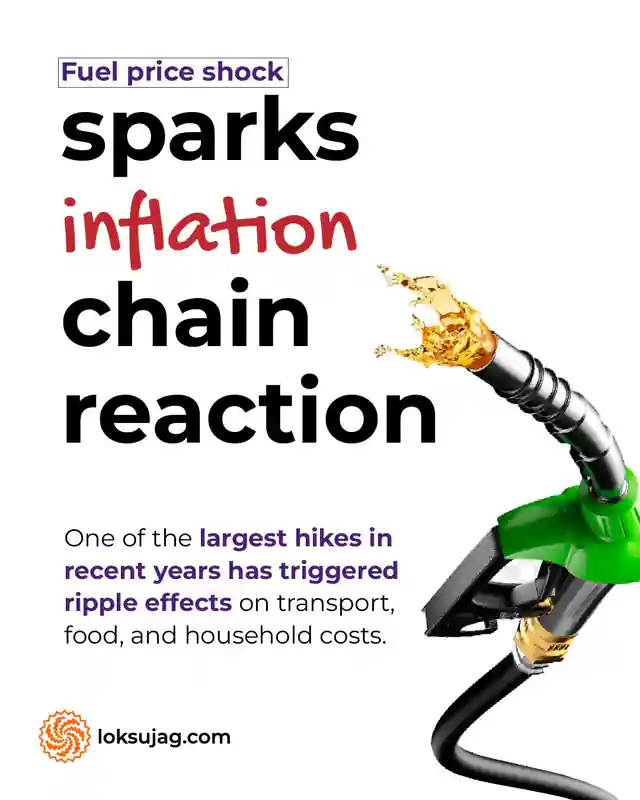
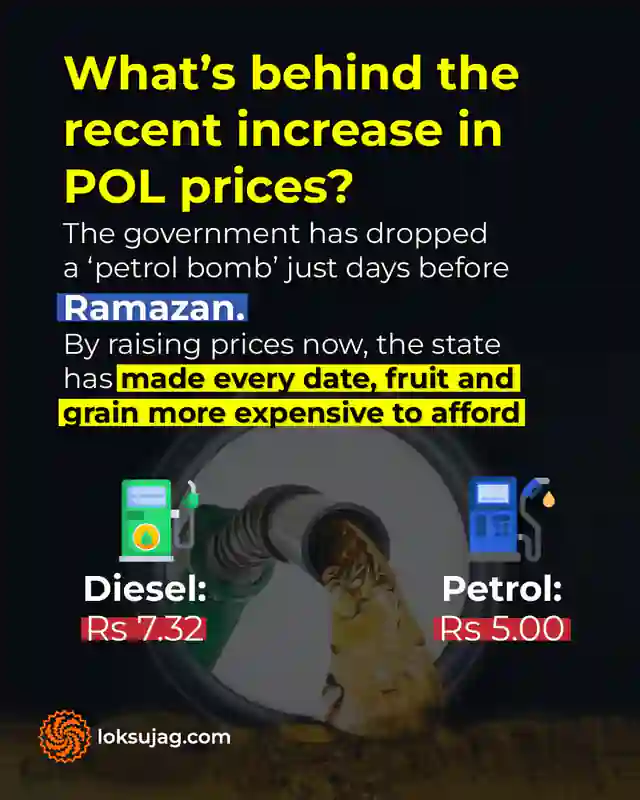
Fuel is one of primary drivers of inflation because it affects the prices of commodities due to rise in transportation cost. The transportation cost fluctuates due to fluctuations in petrol/diesel rates. The recent massive hike in fuel prices in Pakistan is already showing its effect on prices. See these slides to know more.
The government has increased petrol by Rs5 and diesel by Rs7.32 per litre, citing rising international oil prices and the rupee devaluation. Since Pakistan imports most of its fuel, global market fluctuations directly affect local prices.
However, existing taxes like the Petroleum Development Levy (PDL) Rs84.40 per litre on petrol and Rs76.21 on diesel along with the carbon levy, remain unchanged. The government could have reduced these levies to ease the burden on the consumers, but instead the full impact of international price rises is passed on, prioritising revenue over public relief.